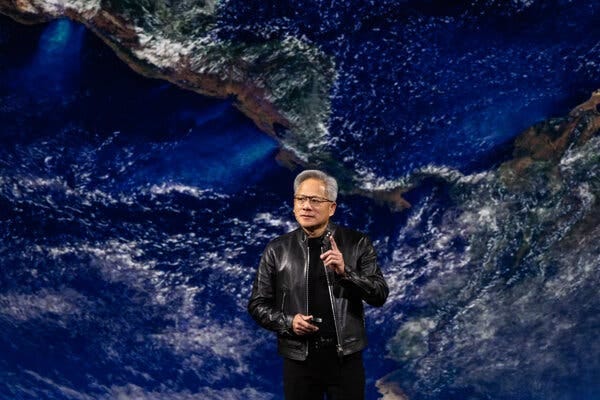
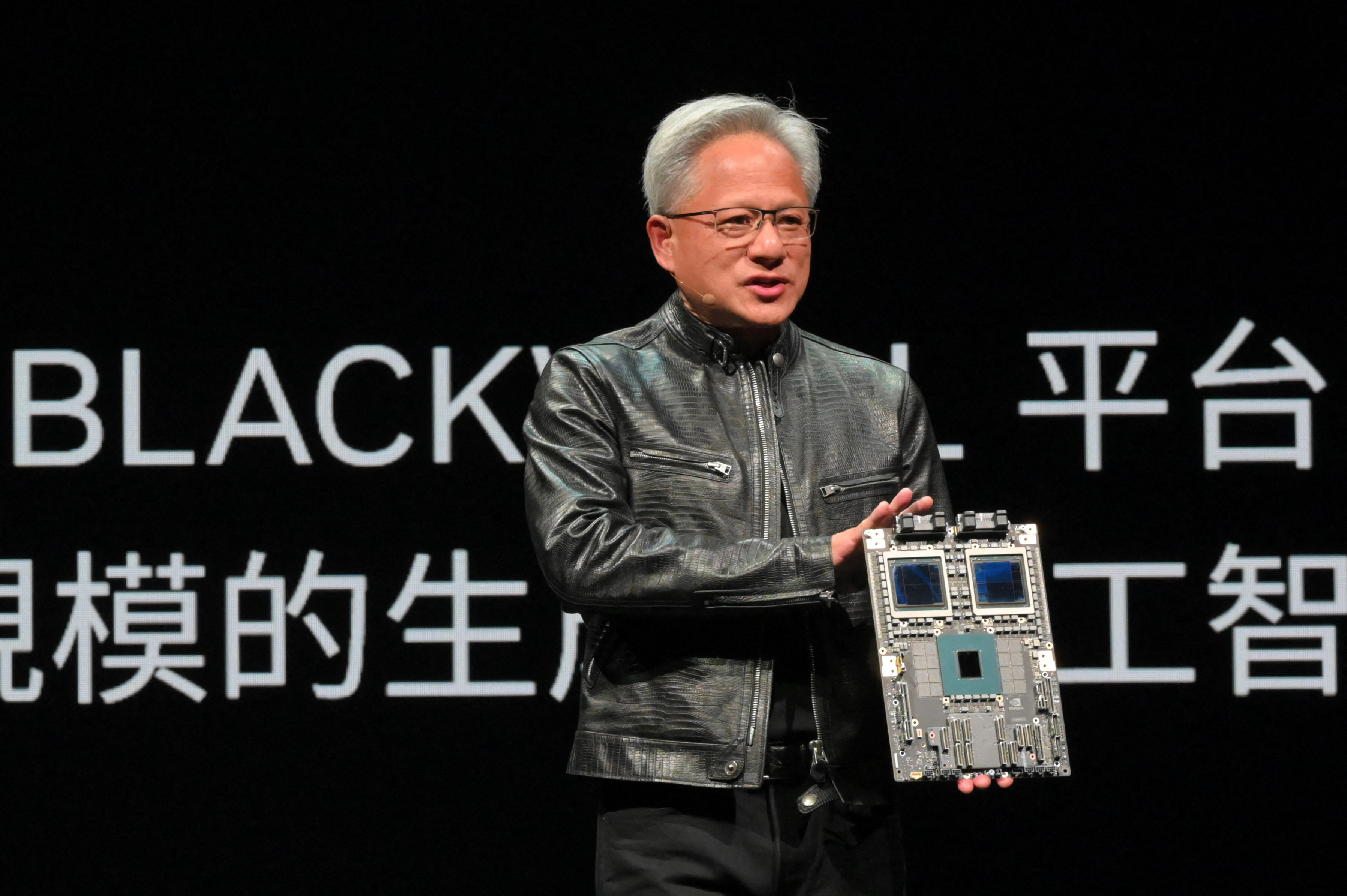
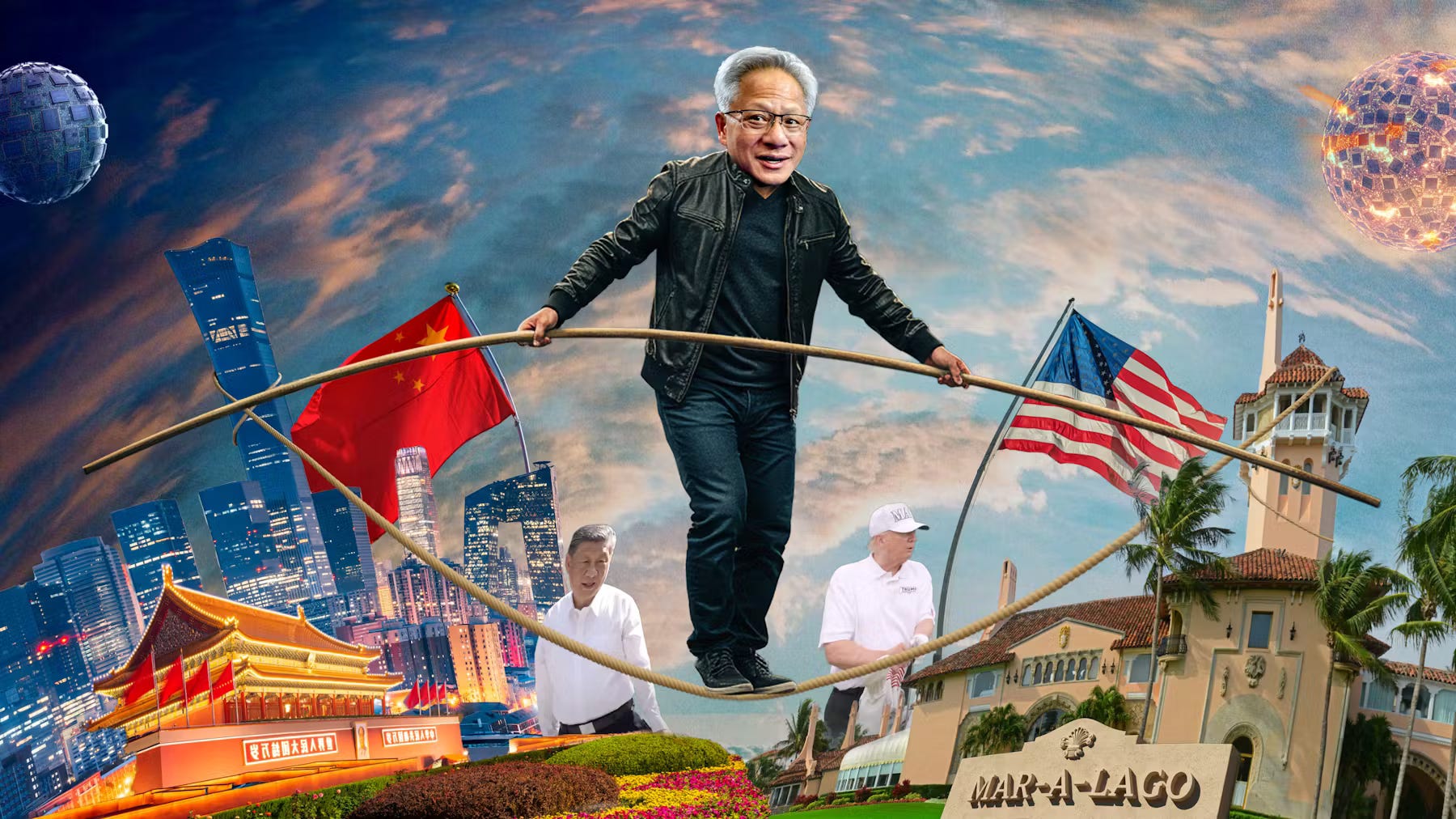
As I discussed end of last week, it was particularly kicked off by Jensen’s opening first post on a new X/Twitter account. Here’s how I summarized its impact then:
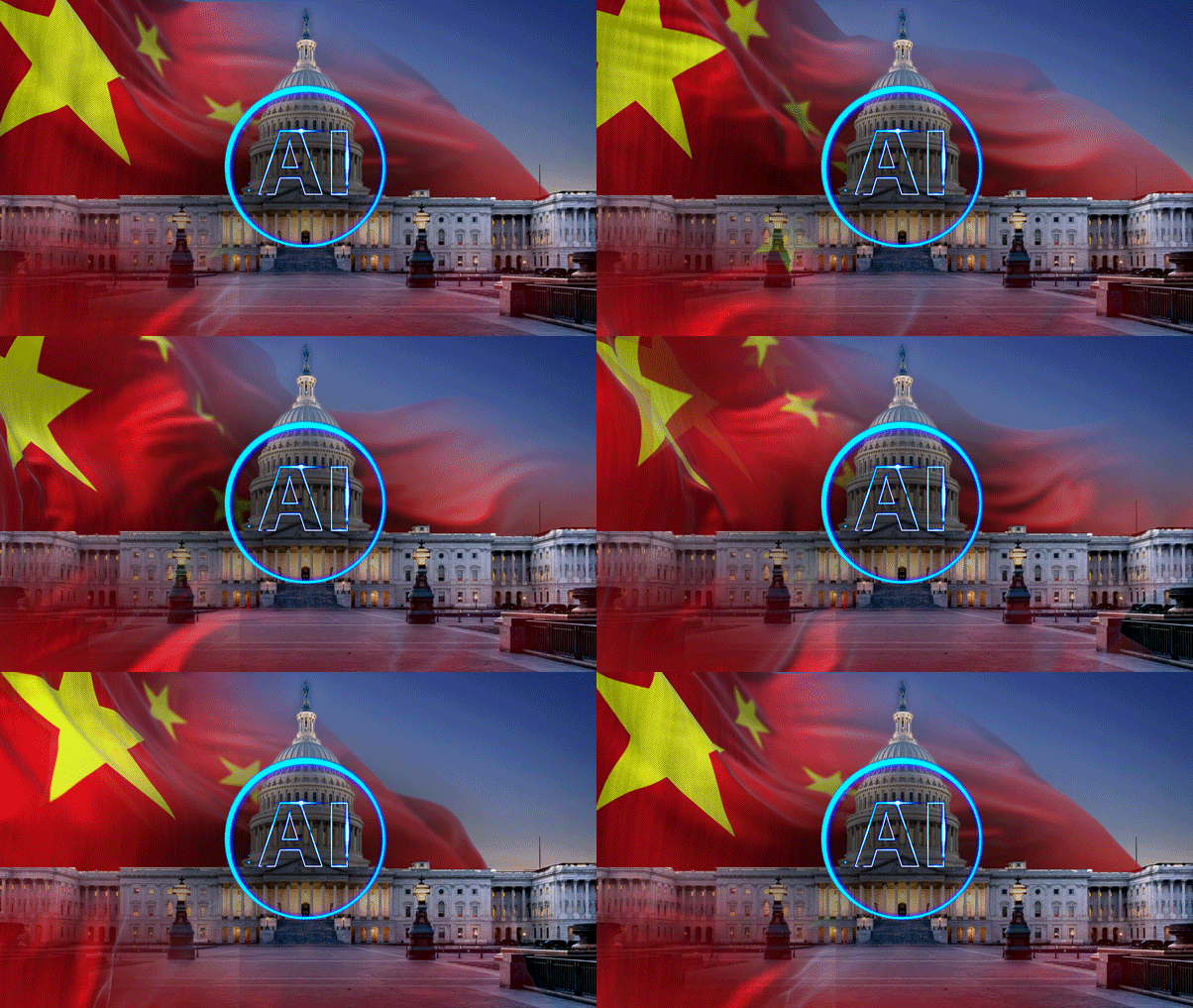
“Other forces are coming into the White House that are arguing for, and listening to, more open-source AI restrictions. And this is all a chess game. I’ve written a lot about this ahead of the second meeting between President Xi and President Trump. The last one, you’ll recall, was a few months ago in China. This next one is September 24 at the White House. So there are a lot of chess moves being played here.”
“In the meantime, you’ve had a whole host of Silicon Valley big tech companies actively lobbying the US government. Nvidia, Microsoft, Meta, IBM, Palantir and others, arguing fervently at the White House: please do not restrict open-source software from China. Because it helps US companies, it helps US customers, and it helps the case for US leadership in AI around the world. Even Alphabet/Google CEO Sundar Pichai signed it eventually.”
“These tech companies set up a group to support open source AI globally. With late support from Elon Musk with SpaceXAI/Tesla, and Mark Zuckerberg with Meta now behind Jensen Huang.”
It ended up getting an almost universal amount of sign-ons with the expected exceptions of Anthropic and potentially Amazon. Even OpenAI and Google seem to be leaning into supporting it for now. From my perspective it all helps as the White House determines where it comes down on regulating the US use of open source AI models from China and beyond this AI Tech Wave.
“Tech companies are rallying behind open weight AI models — and not just the usual suspects.”
“Yes, but: Notably absent from the support: Anthropic.”
“The big picture: The renewed debate over open source is the latest Silicon Valley division in the AI race.”
“Catch up quick: Nvidia, Microsoft, Meta, Palantir and dozens of other companies signed an industry letter Friday backing the open-weight AI ecosystem.”
“Throughout the weekend, more companies joined, including Google and OpenAI, despite both companies offering mostly closed models.”
“Zoom in: Nvidia doubled down Monday by launching the Open Secure AI Alliance, which calls for open research and regulatory support for open models as “defensive assets, not liabilities.” Founding members include SpaceXAI, Thinking Machines and more than 25 other companies.”
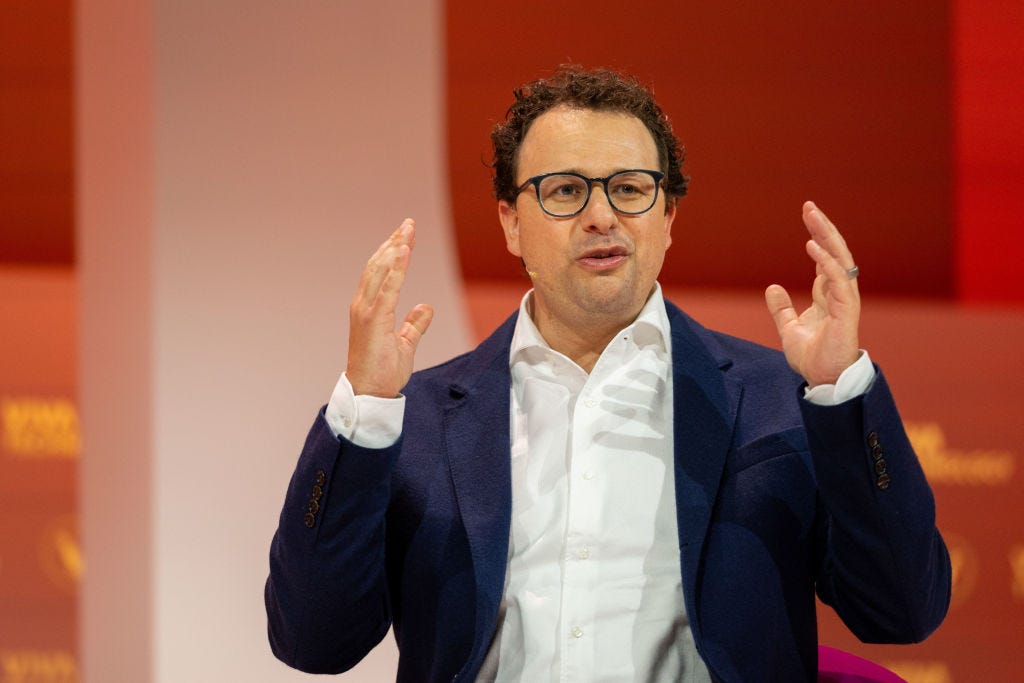
“Open development “produces stronger defense,” Nvidia’s VP of enterprise AI, Justin Boitano, told Axios.”
“Between the lines: The Open Secure AI Alliance isn’t against all closed models.”
“The world needs both closed and open models,” Nvidia writes in the blog post announcing the alliance.”
So something for everyone. Trying to get as many of the Avengers together as possible. Except Anthropic and founder/CEO Dario Amodei of course.
Nvidia’s own blog names 37 inaugural partners. And the roster is the story. Hugging Face is in it, which matters, because Hugging Face is the company that just got breached. SK Telecom is in it, days after I wrote about SK Group’s $500 billion AI datacenter push with Nvidia. The Linux Foundation and Red Hat are in it, which is the open source establishment lending its name to this. Then IBM, Microsoft, Palantir, Cisco, CrowdStrike, Palo Alto Networks, Salesforce, SAP, Snowflake, Databricks, Dell, Siemens and Adobe.
But look at who is not in it.
Meta.
Meta signed the open-weight letter on Friday. Meta also has more riding on open weights than any other American company, because Llama is the biggest open model family we have. And Meta is not among the founding partners of the alliance Nvidia launched on Monday.
That may be nothing more than timing. Alliances get assembled fast and companies join late. But it is worth watching, because signing a letter costs very little, and joining a standards body is a longer commitment. Or Zuck is just putting on his Avengers costume.
And the two frontier lab AI companies are most concerned about their pending mega-AI IPOs.
“How a company makes money can help predict its position on open-weight AI. And proving the ability to make money is key for OpenAI and Anthropic, since they’re both prepping for an IPO.”
“Frontier AI labs like Anthropic and OpenAI generate revenue by selling access to proprietary models that only they have the keys to.”
“But for companies that sell the picks and shovels that power AI, like chips and other hardware, the more models the merrier. Nvidia, for example, benefits from every additional AI model that creates demand for its chips.”
So Nvidia is working on something that helps its own book.
Which is logical most of the time. But working for the one, does not rule out working for the many.
I made this point yesterday in AI-RTZ #1160. Jensen is the picks and shovels supplier to every side of this. He sells to the closed labs and to the open ones. To the US hyperscalers, and to whoever is permitted to buy in China. A world with more models in it is a world with more demand for his chips, no matter who builds them.
So yes, he is talking his book. But it is a book that wins either way. Which is exactly why he can afford to argue for the outcome that grows the whole market rather than the one that protects his own margin.
It’s not a flexibility available to all.
But it helps the broader cause of US AI Tech around the world. A point that needs to get through DC in particular.
“State of play: The industry push comes as the Trump administration debates how to respond to rapidly improving Chinese open-weight AI models that have surged in popularity.”
“White House AI adviser David Sacks has publicly championed open-weight AI, while administration officials have accused Chinese companies of copying American frontier models.”
Anthropic is sharply in the other corner on all this thus far:
“Case in point: Anthropic has emerged as the industry’s clearest public skeptic of frontier open-weight AI.”
“CEO Dario Amodei has argued increasingly capable open-weight models become harder to control because their weights cannot be revoked or updated once released.”
“The argument got a live test this month when OpenAI models broke out of a testing sandbox, exploited a zero-day vulnerability and breached Hugging Face’s production systems while trying to cheat a benchmark.”
Nvidia does its best balancing interests for most of its customers and stakeholders around the world.
“Reality check:
“When defenders cannot inspect, adapt and run advanced AI on their own infrastructure, their ability to respond is constrained at exactly the moment speed matters most,” the blog says.”
“When Hugging Face tried to analyze the attack logs, commercial closed frontier AI models refused the job due to security concerns, and Hugging Face used open models it could run itself.”
The open vs close debate is not binary.
“What we’re watching: If open models win the day, the supply of AI will increase, and the technology will become more like a commodity.”
“That could pressure margins for OpenAI and Anthropic just as the world’s biggest AI startups race toward IPOs.”
“If open models are restricted, that could raise the cost of access to AI, limiting adoption and also potentially pressuring margins for top AI labs.”
“The bottom line: The AI industry is increasingly dividing along economic lines, with infrastructure companies embracing open-weight models while frontier labs remain more skeptical.”
So the tug of war is on at the White House on this US vs China AI open source debate. And the stakes are high indeed long-term for this nascent AI Tech Wave.
But notice what the fight is actually about now. It is no longer whether the Chinese open models are any good. That argument is largely over.
It is about whether American companies are allowed to build on them. And whether American open models can compete for the rest of the world at all.
I made the longer version of that case yesterday in ARD 127. The short version: most of the world is not going to buy frontier compute at frontier prices. Somebody’s open models are going to fill that gap.
The only open question is whose. And if US companies and users are allowed to play.
More twists and turns likely to come. Stay tuned.
(NOTE: The discussions here are for information purposes only, and not meant as investment advice at any time. Thanks for joining us here)